
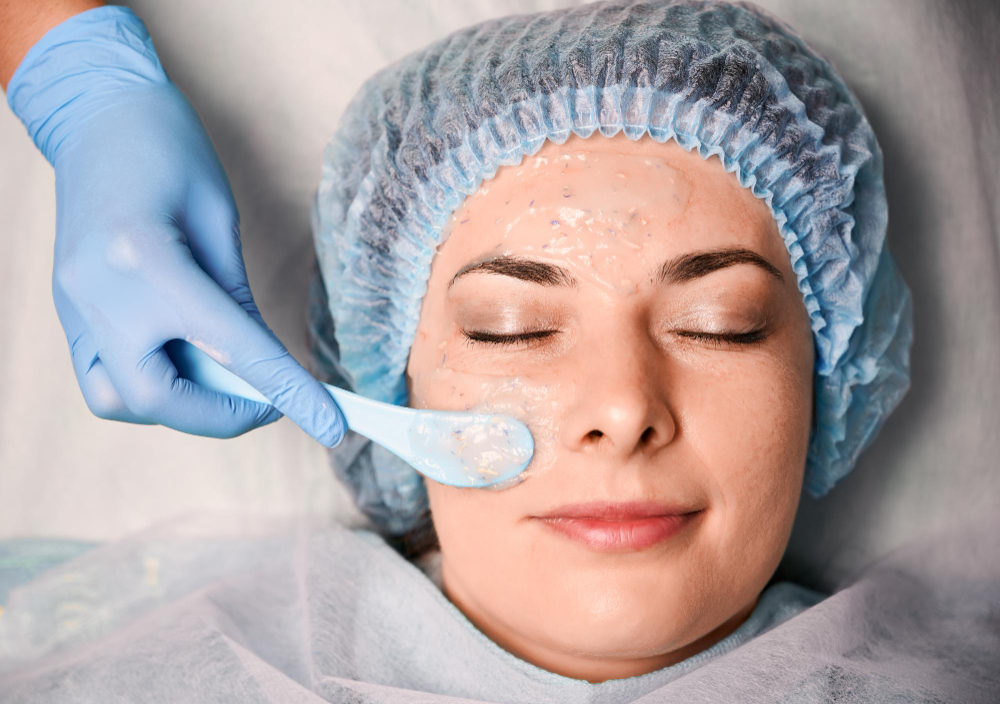
What is Chemical Peeling?
Chemical peeling is a skin treatment used by dermatologists. It involves applying a special solution to the skin. This solution removes the top layers of skin. As a result, new and smoother skin grows back. Many people choose chemical peeling for skin rejuvenation and to improve their skin’s appearance.
Why is Chemical Peeling Done?
People choose chemical peeling for several reasons. First, it helps to refresh the skin. Also, it can treat certain skin problems. Many seek this treatment to improve their skin’s texture and tone. In addition, chemical peeling can help reduce signs of aging. For those with uneven skin, it offers a way to achieve a more even look. According to the American Academy of Dermatology, chemical peeling is a trusted method for skin renewal.
Common Skin Concerns Treated by Chemical Peeling
Chemical peeling is used to treat many skin concerns. Some of the most common include:
Because it targets the skin’s surface, chemical peeling can help with these issues. However, deeper scars or wrinkles may need other treatments.
Benefits of Chemical Peeling
Chemical peel benefits are many. For example, it can make skin look brighter and smoother. Also, it can help fade dark spots and reduce acne. Many people notice their skin feels softer after the treatment. In addition, chemical peeling can boost confidence by improving skin appearance. Some key benefits include:
Who is a Good Candidate?
Not everyone is a good candidate for chemical peeling. Usually, people with fair or light skin see the best results. However, those with darker skin can also benefit, but they may need special care. Good candidates often have mild skin concerns, such as fine lines or uneven tone. Before starting, it is important to talk to a dermatologist. They can help decide if this treatment is right for you.
Safety and Precautions
Chemical peeling is safe when performed by trained professionals. Still, there are some risks. For instance, redness, swelling, or mild discomfort can occur. Rarely, people may get infections or scarring. To lower risks, always follow your doctor’s advice. After the procedure, avoid sun exposure and use sunscreen. In addition, do not pick at peeling skin. This helps prevent unwanted marks or infection.
When to Consult a Dermatologist
If you are thinking about chemical peeling, consult a dermatologist first. They can check your skin and suggest the best type of peel. Also, they will explain what to expect and how to care for your skin after treatment. If you have a history of skin problems or take certain medicines, tell your doctor. This helps ensure the treatment is safe for you.
In summary, chemical peeling is a popular dermatology treatment for skin rejuvenation. It can help with many skin concerns and offers several benefits. However, it is important to seek expert advice. Consult a dermatologist to find out if chemical peeling is right for you.