
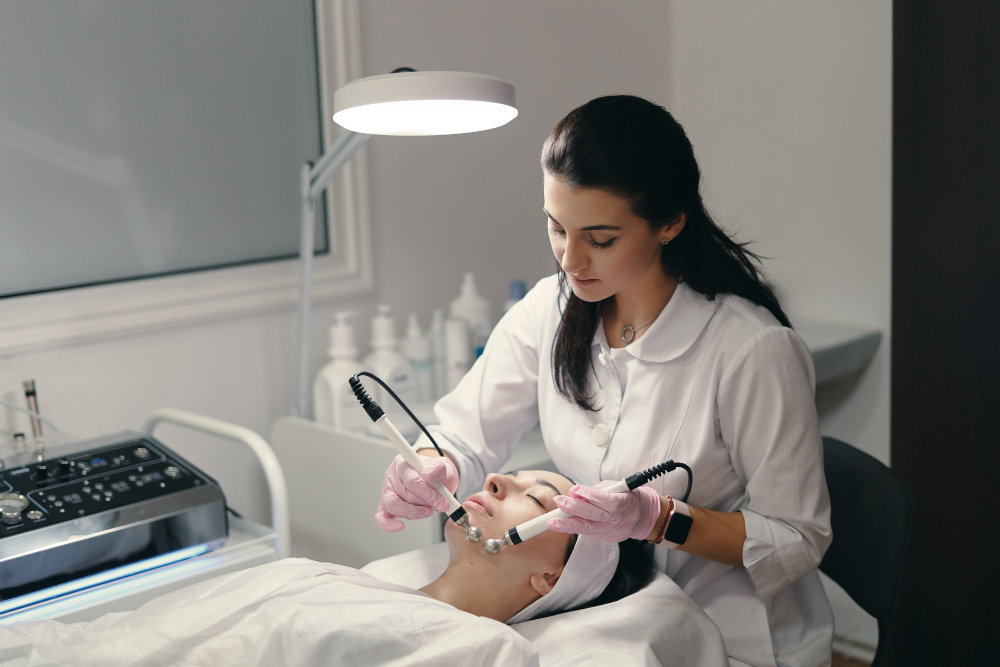
Introduction to Laser Treatments and Their Uses in Dermatology
Many people ask, “Are laser treatments safe for all skin types?” Laser therapy is popular for skin care. It can help with hair removal, acne scars, wrinkles, and dark spots. Because lasers use focused light, they can target specific skin concerns. For example, some lasers remove unwanted hair, while others treat sun damage. In recent years, safe cosmetic lasers have become more common. However, not all lasers work the same way on every skin type. Therefore, it is important to know how laser treatment safety may differ for each person.
How Skin Types Are Classified (Fitzpatrick Scale)
Doctors often use the Fitzpatrick scale to classify skin types. This scale sorts skin by how it reacts to sun exposure. It ranges from Type I (very fair) to Type VI (very dark). For instance, Type I skin burns easily and rarely tans. On the other hand, Type VI skin almost never burns and tans very easily. Understanding your skin type helps your dermatologist choose the safest laser therapy for you. Because each skin type reacts differently, knowing your type is the first step in laser treatment safety.
How Laser Treatments Interact with Different Skin Types
Laser treatments interact with skin by targeting pigment or water in the skin. Because of this, skin type and laser risks are closely linked. For lighter skin, many lasers work well with fewer side effects. However, darker skin has more melanin, which can absorb more laser energy. As a result, laser therapy for dark skin needs special care. Some lasers are safer for darker skin tones, while others may cause problems. For example, Nd:YAG lasers are often used for safe cosmetic lasers on dark skin. Always ask your dermatologist which laser is best for your skin type.
Common Risks and Side Effects for Various Skin Types
All laser treatments carry some risks. However, the risks can change based on your skin type. For lighter skin, side effects may include redness, swelling, or mild burns. In contrast, darker skin may face higher risks, such as:
Because of these risks, laser treatment safety depends on using the right device and settings. According to the American Academy of Dermatology, choosing a skilled provider lowers the chance of side effects. Therefore, always seek care from a trained professional.
Safety Measures and Best Practices for Diverse Skin Tones
To improve laser treatment safety for all skin types, dermatologists follow special steps. For example, they may use test spots to see how your skin reacts. In addition, they choose lasers and settings that match your skin tone. Here are some best practices for safe cosmetic lasers:
Because every skin type is unique, what works for one person may not work for another. Therefore, talking openly with your dermatologist helps ensure safe results.
What to Ask Your Dermatologist Before Treatment
Before starting any laser therapy, it is wise to ask your dermatologist key questions. This helps you understand laser treatment safety for your skin type. For example, you might ask:
Because every person is different, these questions help you make safe choices. Always share your medical history and any past skin reactions. That way, your dermatologist can plan the safest treatment for you.