
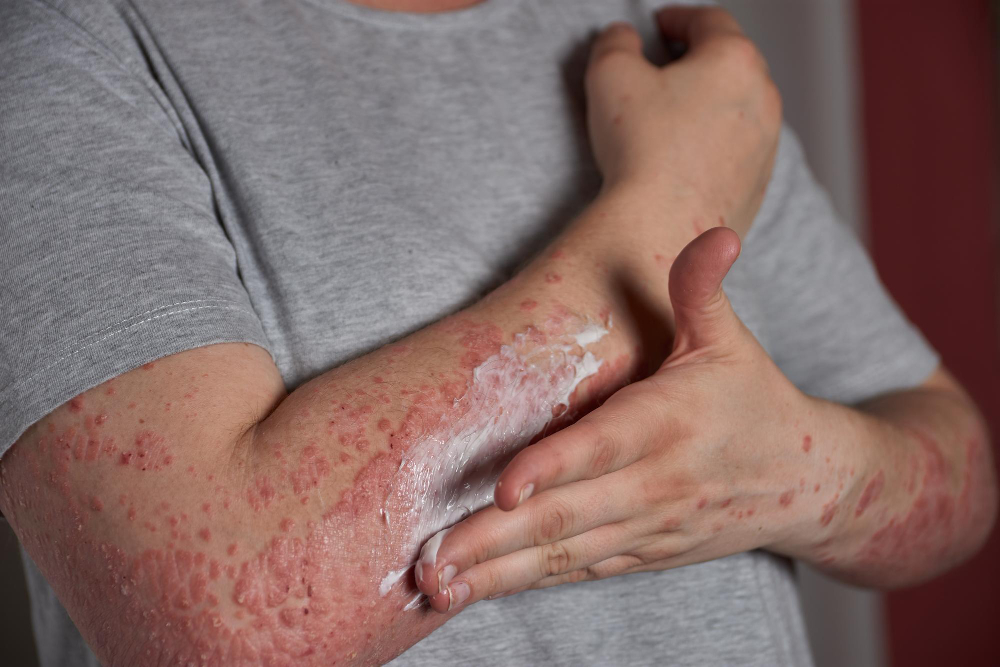
What Are Hives?
Hives are raised, red, or pale bumps that appear on the skin. Sometimes, these bumps itch or burn. Doctors call hives by another name: urticaria. Often, hives show up suddenly. They can last for a few hours or even days. While most cases are mild, some can be severe. For many people, hives are a common skin problem.
Because hives can look scary, many people want to know what causes hives and how to get rid of hives fast. In most cases, hives are not dangerous. However, it is important to know when to seek help. Hives can affect anyone, no matter their age or background.
Common Symptoms of Hives
Hives have some clear signs. For example, you might notice:
Sometimes, hives come with other symptoms. For instance, you may feel a burning or stinging feeling. In rare cases, hives can cause trouble breathing or swelling in the throat. If this happens, seek medical help right away.
Causes and Risk Factors
Many things can cause hives. Sometimes, it is hard to find the exact reason. However, common causes include:
Some people have a higher risk of getting hives. For example, if you have allergies or asthma, you may be more likely to develop hives. Family history can also play a role. Still, anyone can get hives at any time.
How Hives Are Diagnosed
Doctors usually diagnose hives by looking at your skin and asking questions. For instance, they may ask when the bumps started or what you ate before they appeared. Sometimes, doctors will check for other symptoms, such as swelling or trouble breathing.
In some cases, doctors may suggest allergy tests or blood tests. These tests can help find out what causes hives in your case. However, often the exact cause is never found. Even so, knowing your triggers can help you avoid future outbreaks.
Treatment Options for Hives
Most cases of hives go away on their own. Still, treatment can help ease itching and swelling. Common hives treatment options include:
For severe cases, doctors may prescribe stronger medicines. For example, they might use steroids for short periods. If you have trouble breathing or swelling in your throat, seek emergency care right away. Quick treatment can save lives in rare, severe cases.
Lifestyle Tips for Managing Hives
Managing hives at home is possible for most people. To help prevent itching and discomfort, try these tips:
Additionally, tracking your symptoms can help. Write down what you eat, drink, or do before hives appear. This record may help you and your doctor find triggers more easily.
Preventing Hives
While you cannot always prevent hives, some steps may lower your risk. For example, you can:
Because hives can happen for many reasons, it is not always possible to prevent them. However, knowing your triggers and taking steps to avoid them can help reduce outbreaks. If you have frequent or severe hives, talk to a healthcare provider for more advice.