
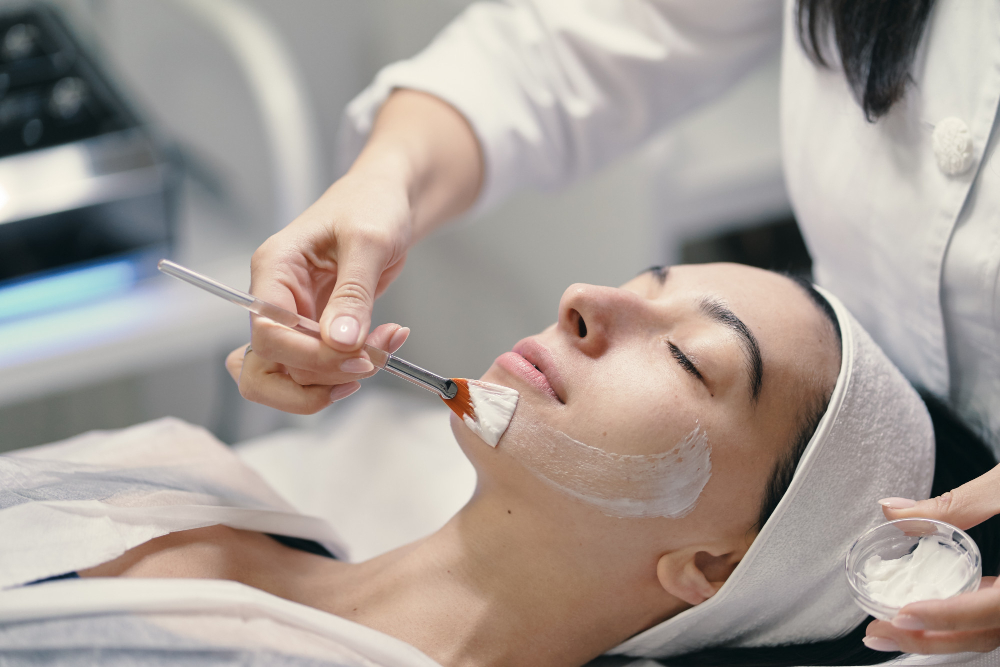
What Are Chemical Peels?
Chemical peels are skin treatments that use special solutions to remove the top layers of skin. These solutions help reveal smoother, brighter skin underneath. Many people choose chemical peels for skin texture and to improve skin tone. Dermatologists often use them to treat fine lines, uneven color, and mild scars. Because they are safe when done by trained experts, chemical peels are a popular choice for many looking to refresh their skin.
How Chemical Peels Work to Improve Skin Texture and Tone
First, a chemical solution is applied to your skin. This solution causes the top layer to peel away gently. As a result, new skin grows in its place. This new skin often feels softer and looks more even. In addition, chemical peels can help fade dark spots and smooth out rough patches. Over time, regular treatments can make your skin look healthier and more youthful. According to the American Academy of Dermatology, chemical peels can also boost collagen, which helps skin stay firm.
Types of Chemical Peels
There are several types of chemical peels. Each type targets different skin concerns. For example, some peels are mild, while others go deeper. Here are the main types:
Because each peel type works differently, your dermatologist will help you choose the best one for your needs.
Benefits of Chemical Peels for Skin Texture and Tone
Chemical peels offer many benefits for those who want to improve skin tone with chemical peels. Some of the main benefits include:
Additionally, safe chemical peel treatments can help your skin care products work better. This is because your skin absorbs creams and serums more easily after a peel.
Potential Risks and Side Effects
While chemical peels are usually safe, there are some risks. For example, you may notice redness, swelling, or mild discomfort after a peel. Sometimes, your skin may peel or flake for a few days. Rarely, more serious side effects can happen, such as infection or scarring. However, these are uncommon when a trained professional does the treatment. According to the American Academy of Dermatology, following aftercare instructions lowers your risk of problems.
Who Is a Good Candidate for Chemical Peels?
Most people with healthy skin can try chemical peels. However, some people get better results than others. For instance, those with fair or light skin often see the most even results. People with darker skin can also benefit, but they should talk to a dermatologist first. If you have active skin infections, open wounds, or certain skin conditions, you may need to wait. Always discuss your medical history with your provider before starting treatment.
What to Expect During and After a Chemical Peel
During a chemical peel, your provider will clean your skin and apply the solution. You may feel tingling or mild stinging, but this usually passes quickly. After the peel, your skin may look red or feel tight. Over the next few days, the top layer may flake or peel away. While this is normal, you should avoid picking at your skin. Most people recover from light peels in a few days. However, deeper peels may need a week or more for healing. Your provider will give you tips to care for your skin during recovery.
Tips for Safe and Effective Chemical Peel Results
For best results, follow these tips before and after your peel:
Because everyone’s skin is different, your provider may give you extra advice. If you have any concerns, contact your provider right away. According to the Centers for Disease Control and Prevention (CDC), following safety steps helps lower the risk of side effects.