
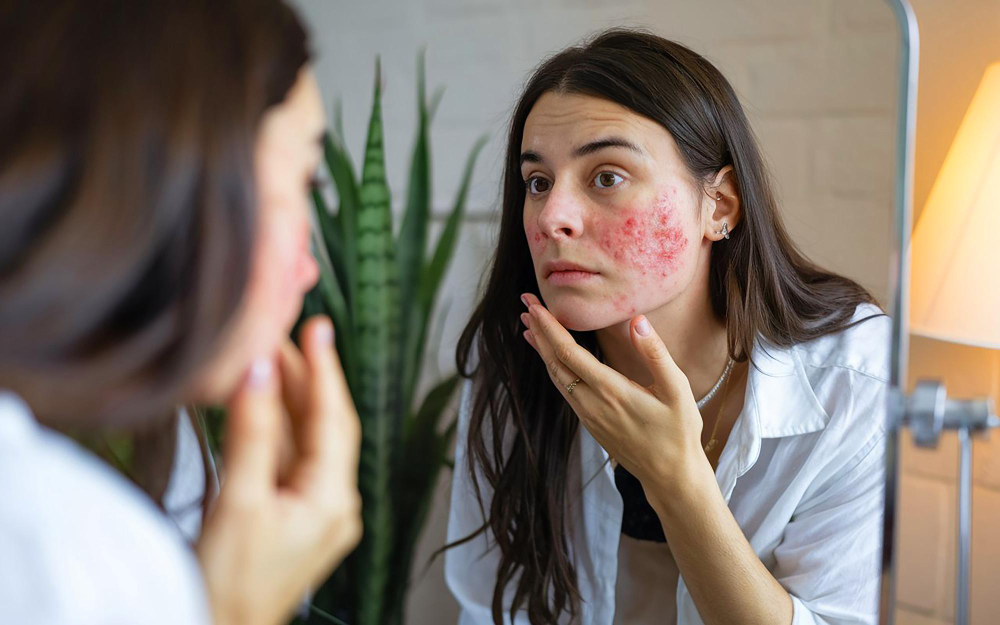
Many people struggle with acne that keeps coming back. This can be frustrating and hard to manage. While some breakouts go away quickly, others seem to return again and again. Understanding why persistent acne happens can help you find the right treatment and prevent future flare-ups. In this blog, we will explore the causes of recurring acne and share helpful treatment options.
What Is Persistent Acne?
Persistent acne is acne that does not clear up, even after trying basic treatments. Sometimes, it may seem like your skin improves for a short time. However, the pimples or bumps return soon after. For many, this type of acne can last for months or even years. In most cases, persistent acne affects the face, chest, or back. But it can appear anywhere on the body. According to the American Academy of Dermatology, persistent or recurring acne is common in teens and adults alike.
Common Causes of Acne That Keeps Coming Back
There are several reasons why acne keeps coming back. Understanding these causes can help you manage your skin better. For example, some people have oily skin that clogs pores easily. Others may have hormonal changes that trigger breakouts. Below are some common causes:
Because these causes can overlap, it is important to look at your habits and health for clues.
How to Diagnose Recurring Acne
First, a doctor or dermatologist will look at your skin. They may ask about your health, diet, and skincare routine. Sometimes, they will ask if you have tried any acne treatment options before. In some cases, blood tests may be needed to check for hormone problems. For example, women with irregular periods and acne may need tests for polycystic ovary syndrome (PCOS). By finding the cause, your doctor can help you choose the best treatment for recurring acne.
Effective Treatment Options for Persistent Acne
There are many ways to treat persistent or recurring acne. While some people respond well to over-the-counter products, others need prescription medicine. Here are some effective options:
Because each person’s skin is different, you may need to try more than one treatment. The CDC and WHO recommend following your doctor’s advice and not picking at pimples, as this can cause scars.
Lifestyle Tips to Prevent Acne Recurrence
Even after treatment, acne can return if you do not care for your skin. However, simple changes can help prevent new breakouts. Consider these tips:
Because habits matter, sticking to a gentle routine can make a big difference over time.
When to See a Dermatologist
Sometimes, acne that keeps coming back needs expert care. If your acne is painful, leaves scars, or does not improve after several weeks of treatment, it is time to see a dermatologist. Additionally, if you feel upset or embarrassed about your skin, a doctor can help you find solutions. Early treatment can prevent scars and boost your confidence. The American Academy of Dermatology recommends seeking help if over-the-counter treatments do not work or if acne affects your daily life.