
Introduction
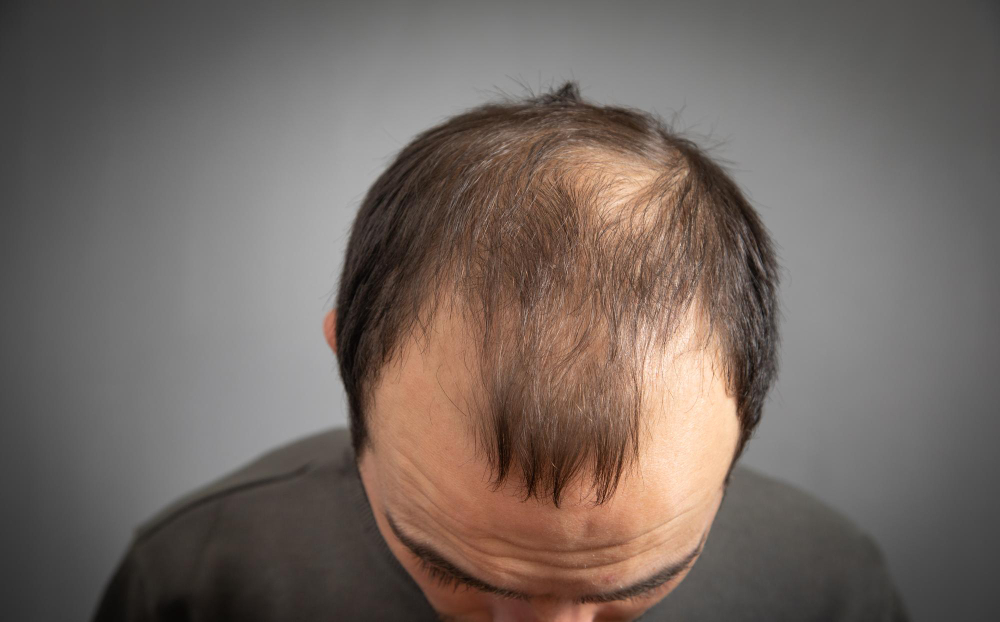
Alopecia, also known as hair loss, affects many people worldwide. While some hair shedding is normal, noticeable hair loss can cause worry. In fact, alopecia can affect both men and women at any age. Early understanding of alopecia/hair loss helps you seek the right care. This guide explains the causes, symptoms, diagnosis, and treatment options for hair loss. You will also find helpful prevention tips.
What is Alopecia/Hair Loss?
Alopecia is the medical term for hair loss. It can happen on the scalp or other parts of the body. Sometimes, hair loss is temporary. Other times, it may be permanent. There are different types of alopecia, such as:
Although hair loss is not life-threatening, it can affect self-esteem. Therefore, understanding the type of alopecia is important for treatment.
Common Symptoms of Alopecia
Hair loss can look different for each person. However, some common symptoms include:
Sometimes, you may see changes in your nails, such as tiny dents. If you notice any of these symptoms, it is wise to talk to a doctor.
Main Causes of Hair Loss
Many factors can lead to alopecia or hair loss. Some causes are temporary, while others are long-lasting. Here are the main reasons:
Because causes vary, a doctor can help find the reason for your hair loss.
How is Alopecia Diagnosed?
Doctors use several steps to diagnose alopecia. First, they ask about your health, family history, and recent stress. Next, they examine your scalp and hair. Sometimes, they may gently pull a few hairs to check how easily they come out. In some cases, doctors order blood tests to look for medical problems. Rarely, a small piece of skin (biopsy) is taken from the scalp for closer study. With these steps, doctors can find the cause and suggest the best treatment.
Effective Treatment Options for Hair Loss
Treatment for alopecia depends on the cause and type. Some people see hair regrow on its own. However, others may need medical help. Common treatments include:
Because results vary, it is important to follow your doctor’s advice. According to the American Academy of Dermatology, early treatment often works best.
Lifestyle Tips and Prevention
While not all hair loss can be prevented, some habits may help. For example, you can:
Because early action can make a difference, do not ignore changes in your hair.
Conclusion
Alopecia or hair loss can be upsetting, but many treatments are available. Since causes and symptoms differ, it is important to get a proper diagnosis. Consult a dermatologist for personalized advice on managing alopecia or hair loss.