
Introduction
Ringworm infections are common fungal skin infections. Despite the name, ringworm is not caused by a worm. Instead, it is caused by fungi that live on the skin, hair, and nails. Many people wonder how to identify ringworm, what treatment for ringworm works best, and how to prevent ringworm infections. Because ringworm is a contagious skin condition, it can spread easily from person to person. Knowing the signs and ways to stop its spread is important for everyone.
What is Ringworm?
Ringworm is a skin infection caused by a group of fungi called dermatophytes. These fungi feed on dead skin, hair, and nails. The infection gets its name from the ring-shaped rash it often causes. However, the rash can look different on each person. In the US, ringworm in children is very common, but adults can get it too. Ringworm can affect the scalp, body, feet (athlete’s foot), and nails.
Symptoms of Ringworm Infections
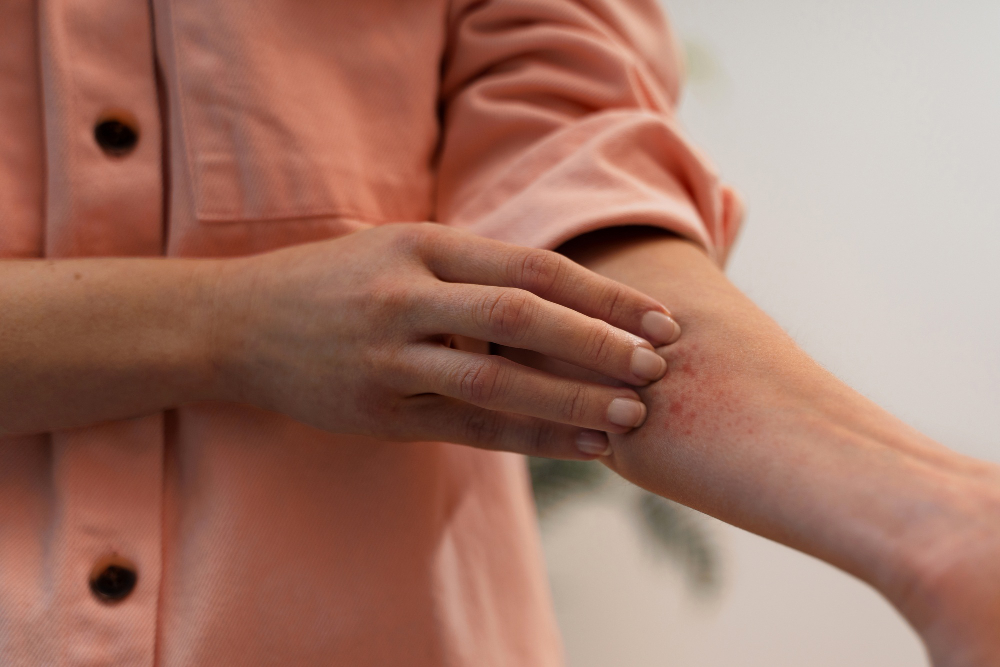
Recognizing the symptoms early helps with quick treatment. For example, you may notice changes in your skin or nails. Here are common signs of a ringworm rash:
Sometimes, the rash may not look like a ring. But, it is still important to watch for these signs.
Causes and Risk Factors
Ringworm spreads through direct contact. For instance, touching an infected person, animal, or object can cause infection. The fungi thrive in warm, moist places. Therefore, locker rooms and public showers are common spots for spreading.
Risk factors include:
Because ringworm is a contagious skin condition, it is important to avoid sharing personal items.
How Ringworm is Diagnosed
Doctors can often diagnose ringworm by looking at the rash. However, sometimes they may need to do more tests. For example, they might:
Early diagnosis helps prevent the infection from spreading to others.
Treatment Options for Ringworm
Most ringworm infections are easy to treat. Over-the-counter creams, lotions, or powders can help. These are called antifungal medicines. For example, you can find them at most drugstores. Some people look for ringworm treatment at home, but it is best to use products made for fungal skin infections.
If the infection is severe or does not go away, a doctor may prescribe stronger medicine. This could be a pill or a stronger cream. Always follow your doctor’s advice for the best results.
Prevention Tips and Lifestyle Guidance
Preventing ringworm infections is possible with good habits. For instance, you can:
Because ringworm spreads easily, these steps help protect you and your family.
When to See a Doctor
If you think you have a ringworm infection, it is wise to see a doctor. For example, if the rash does not improve after using over-the-counter medicine, or if it spreads quickly, get medical help. Also, if you have a weakened immune system or the infection is on your scalp or nails, see a healthcare professional right away.
Conclusion
Ringworm infections are common but treatable. Early action helps stop the spread and speeds up healing. If you suspect a ringworm infection, consult a healthcare professional for personalized advice.