
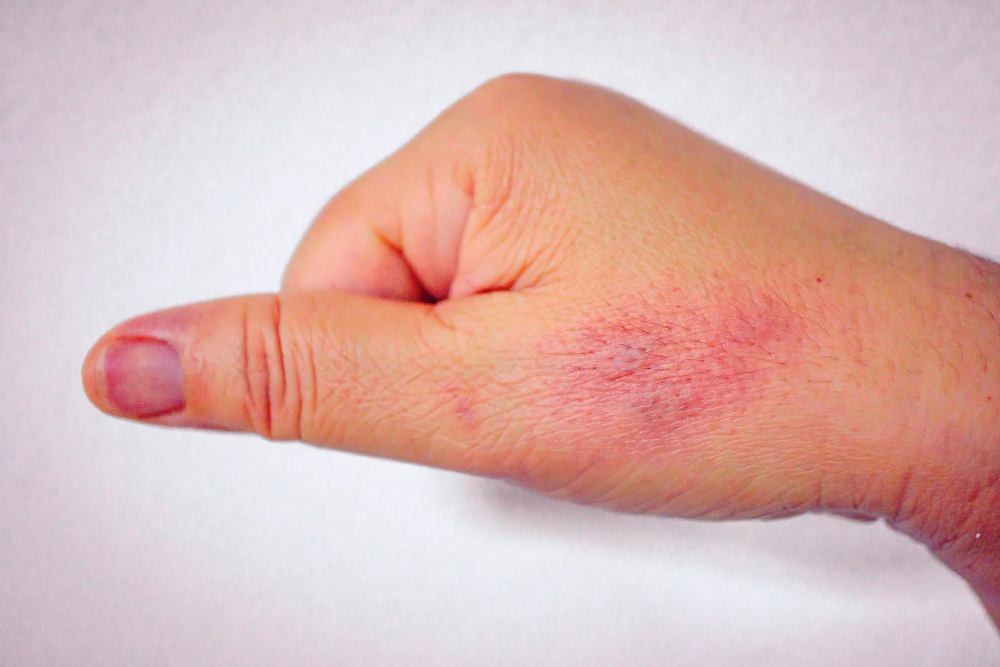
What is Dermatitis (Skin Irritation)?
Dermatitis, also called skin irritation, is a common skin problem. It causes redness, swelling, and discomfort. Many people experience dermatitis at some point. Because it can look different on each person, it is important to know the main symptoms. Early recognition helps you manage the condition and avoid more serious issues.
Common Symptoms of Dermatitis
Dermatitis can show up in many ways. However, some signs are more common than others. Below are the main symptoms you might notice:
Sometimes, symptoms appear suddenly. Other times, they develop slowly. Because dermatitis can look different on each person, it is helpful to watch for these common signs.
How to Identify Dermatitis at Home
At home, you can look for certain clues. First, check for any new rash or redness. Next, notice if your skin feels itchy or uncomfortable. Also, look for dry, flaky, or swollen areas. If you see blisters or bumps, pay close attention. Sometimes, the skin may feel warm to the touch. If you notice these signs, you may have dermatitis.
However, other skin problems can look similar. For example, allergic reactions or infections may also cause redness and itching. Because of this, it is important to watch for changes and see how your skin responds to gentle care.
When to See a Doctor
Sometimes, dermatitis can be managed at home. But there are times when you should seek medical help. Consider seeing a doctor if:
Early treatment can prevent complications. Therefore, do not wait if you are unsure or worried about your symptoms.
Tips for Managing Symptoms
While you wait to see a doctor, you can try some simple steps at home. These tips may help reduce discomfort:
However, if your symptoms get worse, seek medical advice right away. For more information, you can visit trusted sources like the CDC or WHO.
Conclusion
Recognizing the symptoms of dermatitis (skin irritation) is the first step to feeling better. If you notice itchy skin, a red rash, or other signs, take action early. Consult a dermatologist for personalized advice if you notice symptoms of dermatitis.