
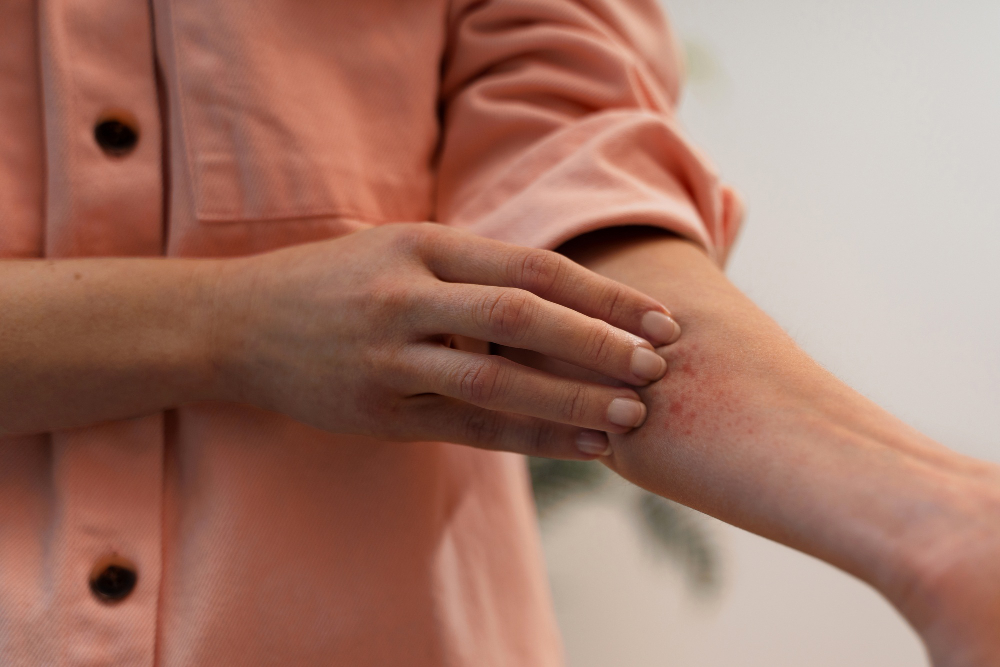
What is Eczema?
Eczema is a common skin condition that causes dry, itchy, and inflamed skin. Many people experience eczema at some point in their lives. In fact, it often begins in childhood but can affect people of all ages. Because eczema can be uncomfortable, understanding its symptoms and treatment is important. According to the Centers for Disease Control and Prevention (CDC), millions of people worldwide live with eczema.
Common Symptoms of Eczema
Eczema symptoms can vary from person to person. However, some signs are more common than others. Recognizing these symptoms early can help you manage eczema better. For example, you may notice:
Sometimes, symptoms get worse during flare-ups. But with proper care, you can reduce their impact.
Causes and Risk Factors
While the exact cause of eczema is not fully known, experts believe it results from a mix of genetics and environmental factors. For instance, if you have a family history of eczema, asthma, or allergies, your risk may be higher. Other risk factors include:
Because triggers can differ, it helps to track what makes your symptoms worse.
How Eczema is Diagnosed
Doctors usually diagnose eczema by looking at your skin and asking about your symptoms. Sometimes, they may ask about your family history or other health conditions. In rare cases, a doctor may do a skin test to rule out other problems. However, most of the time, no special tests are needed. Early diagnosis can help you start the right eczema treatment sooner.
Treatment Options for Eczema
There are many ways to treat eczema and manage symptoms. Your doctor may suggest:
Because each person is different, your treatment plan may change over time. Always follow your doctor’s advice for the best results.
Lifestyle Tips and Home Care
In addition to medical treatment, simple changes at home can help manage eczema. For example, you can:
With these steps, you may notice fewer eczema flare-ups and less discomfort.
Prevention Strategies
While you may not be able to prevent eczema completely, you can lower your risk of flare-ups. For instance, try to:
Because prevention is key, these habits can make a big difference in your daily life.
When to See a Dermatologist
If your eczema symptoms do not improve with home care, it is time to see a dermatologist. Also, seek help if you notice signs of infection, such as redness, pus, or fever. Early treatment can prevent complications and help you find the best eczema treatment for your needs. Remember, a dermatologist can offer expert advice on how to manage eczema and prevent future flare-ups.
For personalized eczema management and advice, consult a dermatologist. Early care can help you enjoy healthier, more comfortable skin.