
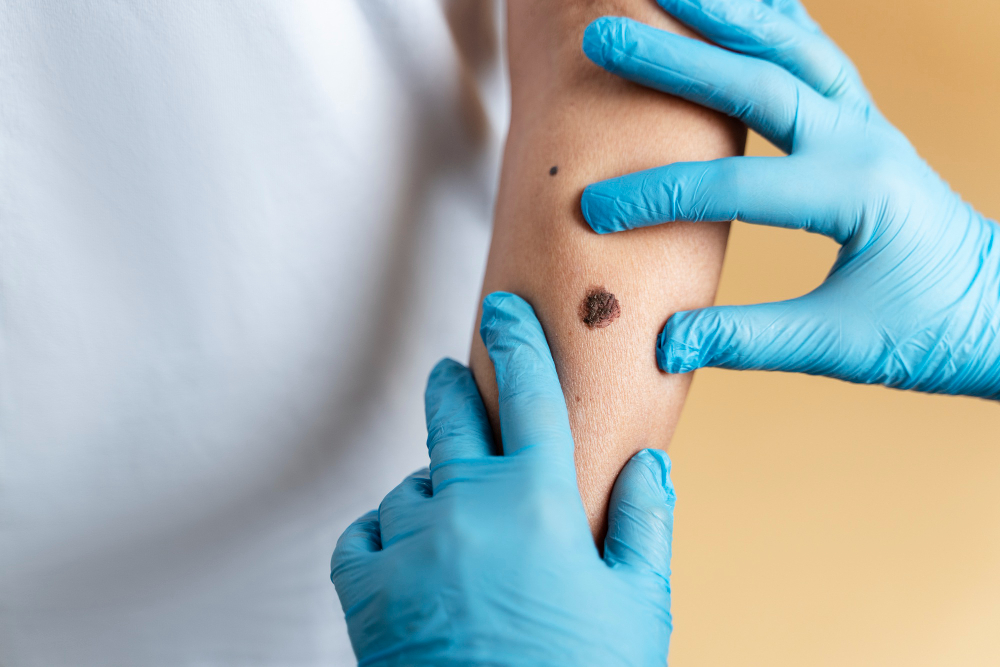
What Are Warts?
Warts are small, rough bumps that appear on the skin. They are caused by a virus called human papillomavirus (HPV). While warts are usually harmless, they can be bothersome or embarrassing. Because they can spread, many people look for wart removal options. Warts can show up on hands, feet, or other parts of the body. They often have a rough surface and may look like a cauliflower.
Causes of Warts
Warts develop when the HPV virus enters the skin through a tiny cut or scratch. Not everyone who comes in contact with HPV will get warts. However, some people are more likely to get them, especially children and those with weak immune systems. For example, walking barefoot in public showers can increase your risk. Sharing towels or razors may also spread the virus.
When to Consider Wart Removal
Although many warts go away on their own, you may want to remove them for several reasons. For instance, if a wart is painful, grows quickly, or bleeds, removal may be needed. Sometimes, warts cause discomfort when walking or using your hands. In addition, if warts spread or do not improve with home care, it is wise to seek help. You should also see a doctor if you are unsure whether a growth is a wart.
Common Wart Removal Methods
There are several safe wart removal methods. Each method has its pros and cons. Let’s look at the most common ways:
Aftercare and Recovery Tips
Proper wart aftercare helps your skin heal and prevents infection. After wart removal, keep the area clean and dry. For example, wash your hands before and after touching the treated area. Cover the spot with a bandage if needed. Avoid picking at the scab or new skin. If your doctor gave you special instructions, follow them closely. In most cases, mild redness or swelling is normal. However, if you notice pus, severe pain, or fever, contact your doctor right away.
Prevention of Warts
While you cannot always prevent warts, you can lower your risk. Here are some tips:
Frequently Asked Questions about Wart Removal
In summary, wart removal is safe and effective when done properly. For the best results, consult a dermatologist for personalized wart removal advice.